January 17, 2026
My WordPress Page Builder Journey

Jack of all trades, Master of none
Reading Time: 5 minutes
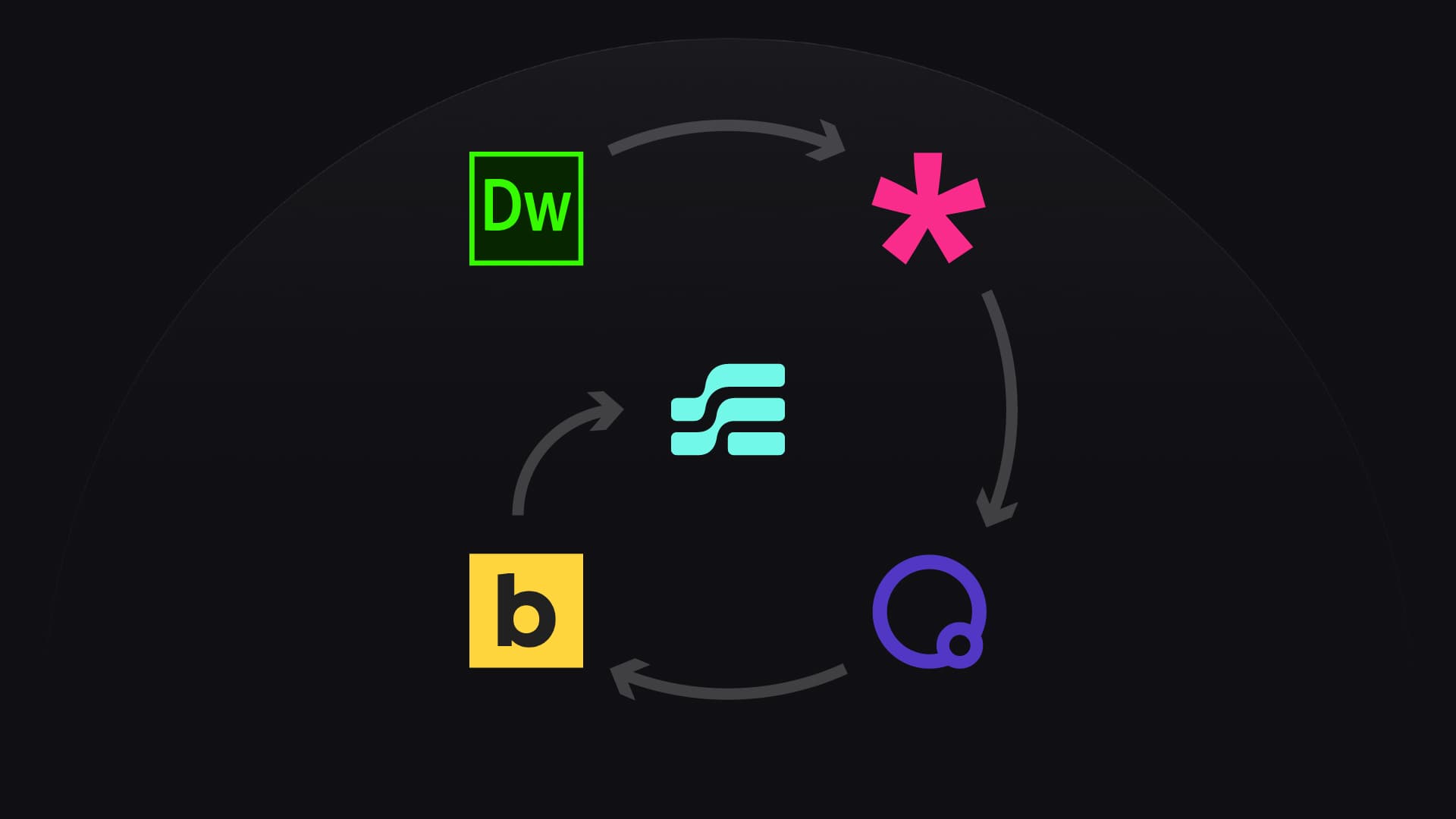
Like many designers who transitioned into WordPress, my relationship with page builders has been a long one, full of excitement, learning, frustration, and growth. Looking back, each builder I used didn’t just help me build websites, it helped shape how I think about the web.
This is the story of that journey.
Before WordPress: The Visual Roots
I come from a design background. My first websites were built visually, back in the day, using tools like Dreamweaver, alongside good old HTML and CSS. I loved seeing what I was building as I was building it. The web felt tangible, creative, and expressive.
When I transitioned to WordPress, I gained power, but I lost that immediacy. Suddenly, building websites felt more abstract. I missed the visual aspect. I missed designing while building.
That changed when I discovered my first WordPress page builder.
Divi, The Magic Beginning

Divi felt like magic.
For the first time, I could visually build complete websites inside WordPress. I could design layouts, tweak styles, and see everything update live. As a designer, this felt liberating.
Divi made WordPress accessible. It made it fun.
I invested heavily in the Divi ecosystem, Divi exclusive plugins, extensions, workflows. And for a while, it was great. I built multiple websites with it and learned a lot along the way.
That said, the Divi community was largely composed of beginners and hobbyists. There’s absolutely nothing wrong with that, but as I grew, I started to feel the limitations. Performance, structure, scalability… things began to matter more.
Still, I’ll always be grateful to Divi. It was the tool that made me fall in love with building websites in WordPress.
Oxygen, Learning to Build Properly
Then I discovered Oxygen Builder.
Oxygen felt like Divi on steroids, but more importantly, it felt serious. The community was filled with professional WordPress users and developers who cared deeply about performance, structure, and clean output.
This is where everything changed for me.
Through Oxygen, and through educators like Jonathan Jernigan, Sridhar Katakam, Design with Cracka, and later Kevin Geary, I didn’t just learn a tool. I learned how WordPress actually works.
I started building:
- Properly structured websites
- Dynamic layouts
- Custom Post Types
- Custom Fields
- Data-driven components
Suddenly, the world was my oyster.
I invested heavily again, this time in the Oxygen ecosystem. Oxygen exclusive plugins became core parts of my workflow. My HTML and CSS skills improved massively. I stopped “designing pages” and started building systems.
Oxygen made me a better WordPress developer.
The Shock, Oxygen Is Being Sunset
Then the news hit.
The Oxygen team had spent over a year building a new product to compete with Elementor and Divi, and in the process, they decided to sunset Oxygen.
For those of us who loved Oxygen, this was devastating.
We had invested time, money, and trust into a tool that was now being abandoned by its own creators. It wasn’t just inconvenient, it was emotional. Oxygen wasn’t just a builder, it was a philosophy.
I took my time processing that news. I didn’t rush into choosing the next tool. I needed something that aligned with the way I had learned to build.
Bricks, The Natural Successor

Eventually, I found Bricks Builder.
Most of the Oxygen community, and many of the educators I respected, were migrating to Bricks. And it made sense. Bricks felt like a modern continuation of Oxygen’s spirit.
It was:
- Performance focused
- Developer friendly
- Built for professionals
- Clean and powerful
I had a lot of fun building websites with Bricks. I still do. It’s an excellent tool, and it continues to evolve in the right direction.
But then something interesting happened.
Etch, The Next Evolution

Kevin Geary, the creator behind Automatic CSS and Frames, tools I had been using since my Oxygen days, announced something new.
A brand-new WordPress visual builder. Etch.
At launch, Etch was just an idea. No demo. No product. Just a vision, and a pretty hefty early-access price.
And yet, I invested immediately.
Why? Because Kevin’s track record spoke for itself. Automatic CSS and Frames weren’t just tools, they were opinionated, forward-thinking products that pushed WordPress builders to think differently about structure, systems, and modern web development.
I had followed Kevin’s work closely for years. I trusted his vision.
And as Etch began to take shape, it became clear that this wasn’t just another page builder. It was the culmination of everything I had learned across Divi, Oxygen, and Bricks, taken several steps further.
What This Journey Taught Me
Looking back, every builder played a role:
- Divi taught me that building websites could be visual and empowering
- Oxygen taught me structure, performance, and real WordPress development
- Bricks refined that philosophy and carried it forward
- Etch represents the future I’ve been waiting for
Tools come and go. Ecosystems rise and fall.
But fundamentals, HTML, CSS, structure and systems, remain.
This journey wasn’t just about page builders.
It was about growing as a designer, a developer, and a builder.
And right now, Etch feels like the most exciting chapter yet.
Loading..